
 (469) 346-8828
 5030 S, TX-360 #200, Grand Prairie, TX 75052
 Offers
 Forms
FormsDental Crowns – Grand Prairie, TX
Strengthening & Protecting Damaged or Decayed Teeth
Although tooth enamel is perhaps the strongest substance in the human body, it doesn’t mean it’s entirely resistant to damage. Due to bacteria or even one wrong bite, your teeth can become decayed or accidentally damaged. If you’re struggling with a compromised tooth, our team can develop custom dental crowns in Grand Prairie so that you can regain a strong and healthy bite. Read on to learn more about this treatment and how you can benefit from it.

Why Choose Care 32 Dental of Grand Prairie for Dental Crowns?
- Tooth-Colored & Natural-Feeling Materials
- Completely Personalized Dental Crowns
- In-House Membership Plan & Flexible Financing Available
What is a Dental Crown?
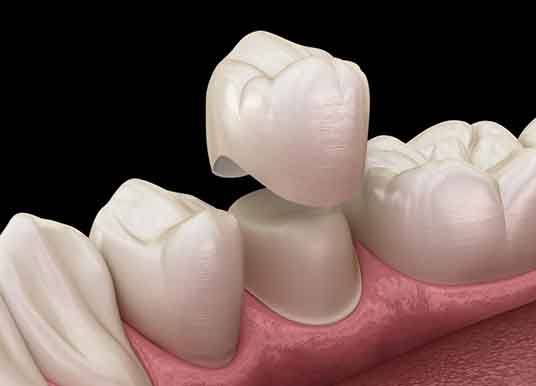
A dental crown, otherwise known as a “dental cap,” is a type of restoration designed to fit atop a decayed or damaged tooth so that the top surface is protected and strengthened. Once you receive one, you can typically expect to be able to chew and bite down effectively again without feeling discomfort. These dental caps can usually be constructed out of tooth-colored materials, meaning others won’t even be able to tell the difference. In many cases, dental crowns may be recommended for the following reasons:
- A damaged or broken tooth requiring support
- Moderate to severe dental decay that’s being repaired with a large filling
- A tooth that’s undergone root canal treatment
- Severely discolored or misshapen tooth
- A missing tooth replaced with a dental implant
The Dental Crown Process
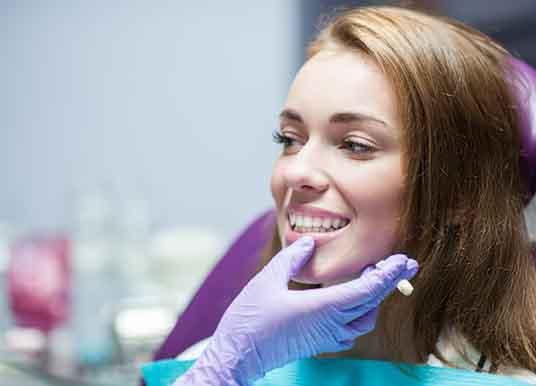
Traditional dental crowns are typically completed after a couple of appointments. The very first step will consist of an initial consultation where our team will assess your situation and determine if this treatment is the ideal solution for you. After verifying this with your dentist, we can begin the process by preparing your compromised tooth, typically involving the reshaping of your enamel to make room for your restoration. We’ll then take impressions of your tooth and send these to a lab for construction.
While you wait for your permanent crown, our team will provide you with a temporary one to protect your exposed tooth. This will serve as both protection as well as a trial run for how your actual dental cap will work and feel. You’ll then return to our office once your final crown is fabricated so that we can fit it atop your tooth. After we’ve confirmed that your bite is correct and you’re satisfied with your treatment, you’ll be free to head out and enjoy your results.
The Benefits of Getting a Dental Crown

With custom-made dental crowns, you can be sure to appreciate a wide range of advantages for your smile, including:
- Improved bite
- Boosted confidence
- Personalized treatment
- Durable and long-lasting dental materials
- Natural-looking results
- Can last 15 years or more with proper care
Understanding the Cost of Dental Crowns
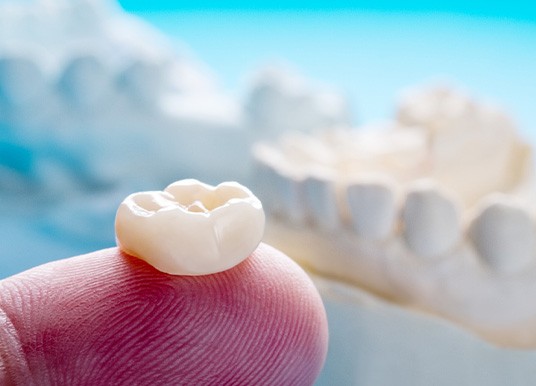
It’s normal to have questions about your new dental crown, and one of the first things many patients want to know is how much they can expect to pay for their restoration. However, the cost can vary from person to person because it depends on your unique needs and circumstances.
Continue reading to learn more about how pricing is determined and how our Grand Prairie practice helps make treatments more affordable!
Factors That Affect the Cost of Dental Crowns
You’re not alone if you want to know how much your dental crown will cost in advance. But our team can’t provide a detailed estimate until after your initial examination and consultation with one of our providers. Then, based on our findings, we can share more information.
There are a few factors that can potentially impact the total amount due for your treatment, including:
- Other procedures. If we find other issues, like tooth decay or gum disease, you’ll be responsible for paying for any services needed to address them.
- How it’s made. Traditional crowns are made at a special dental laboratory, while others are carved with advanced technology and an on-site milling machine, which can increase the rate.
- The materials used. Different options, like gold, resin, or porcelain, have their own pricing structures, though our Grand Prairie office offers lifelike prosthetics made from resilient, tooth-colored ceramic.
Does Dental Insurance Cover Dental Crowns
Dental insurance often includes about 50% of the cost of dental crowns, but every policy is different, and there are no guarantees, so it’s worth verifying your information before proceeding.
If you’re still unsure whether your restoration is covered by your plan or would like assistance with insurance claims or paperwork, please let us know. Our office staff are familiar with different policies and can help you maximize any available benefits.
Options for Making Dental Crowns Affordable

Although dental insurance can often help reduce out-of-pocket expenses for different services, including dental crowns, our team understands that not all patients have purchased a policy. We also believe that everyone deserves access to quality services to restore their smile’s appearance and function, regardless of their current finances.
If you’re concerned about affording your dental crown, you might benefit from one of the following options:
- Flexible financing. We gladly welcome flexible payment packages through third-party vendors, such as CareCredit, Cherry, and Sunbit, which allow you to divide the total cost of your treatment into more manageable installments that are paid over a designated period, usually with little to no interest.
- In-house discount plan. For a flat annual fee of $195, you gain access to 2 free exams and X-rays, as well as 25% to 50% off other services we offer.
Dental Crowns FAQs
How Can I Eat with a Temporary Dental Crown?
You should be able to chew comfortably with a temporary dental crown, but it is best to avoid certain food until your permanent dental crown is seated. There might be a small gap between your temporary crown and your gumline where bacteria could find its way under the crown and cause decay. To try to limit sugary goofs and beverages. Very hot and very cold foods can also after the cement’s ability to hold your crown in place. You should also avoid hard and sticky foods that can damage, loosen or dislodge your dental crown.
How Do You Know if you Need Your Dental Crown Replaced?
Dental crowns are very durable, but they will eventually need to be replaced. The only way to know for sure whether your crown needs to be replaced is to have X-rays taken or have it visually examined by your dentist. Here are some of the most noticeable warning signs.
- Pain: If there is decay beneath your dental crown, it will need to be removed so the cavity can be treated. Then, you will either have your dental crown reseated or get a new one depending on its condition.
- Instability: If your dental crown feels loose, especially when chewing, you should contact us.
- Poor Appearance: If your restoration is chipped or discolored, it can negatively affect your self-confidence.
- Dark Line: With porcelain fused-to-metal crowns, the porcelain layer may chip off or wear away, revealing the darker metal portion. This could indicate that the crown has been through wear and tear and needs replacement.
Does Getting a Dental Crown Hurt?
Many people are hesitant to commit to treatment because they are worried that it will be painful. The good news is that we know this and will always do everything we can to help you feel as comfortable as possible in the dental chair. Before your procedure begins, we will numb your mouth with a local anesthetic, so you shouldn’t feel any sensation in that area. You may experience some soreness for a few days following your procedure, but this can be managed with over-the-counter pain relievers. Keep in mind that since dental crowns protect vulnerable teeth from damage, they can prevent future pain in that tooth later on.
Are Dental Crowns Covered by Dental Insurance?
Every dental insurance plan is a little bit different, but most of them consider dental crowns to be a major procedure, so they are usually covered up to 50% after your deductible has been met and before you have exceeded your maximum. Dental insurance typically only covers dental crowns if they are necessary for your oral health. For instance, if you are getting a dental crown to repair a damaged tooth, it should receive partial coverage.